Top Rated in Delhi NCR

What is Squint?
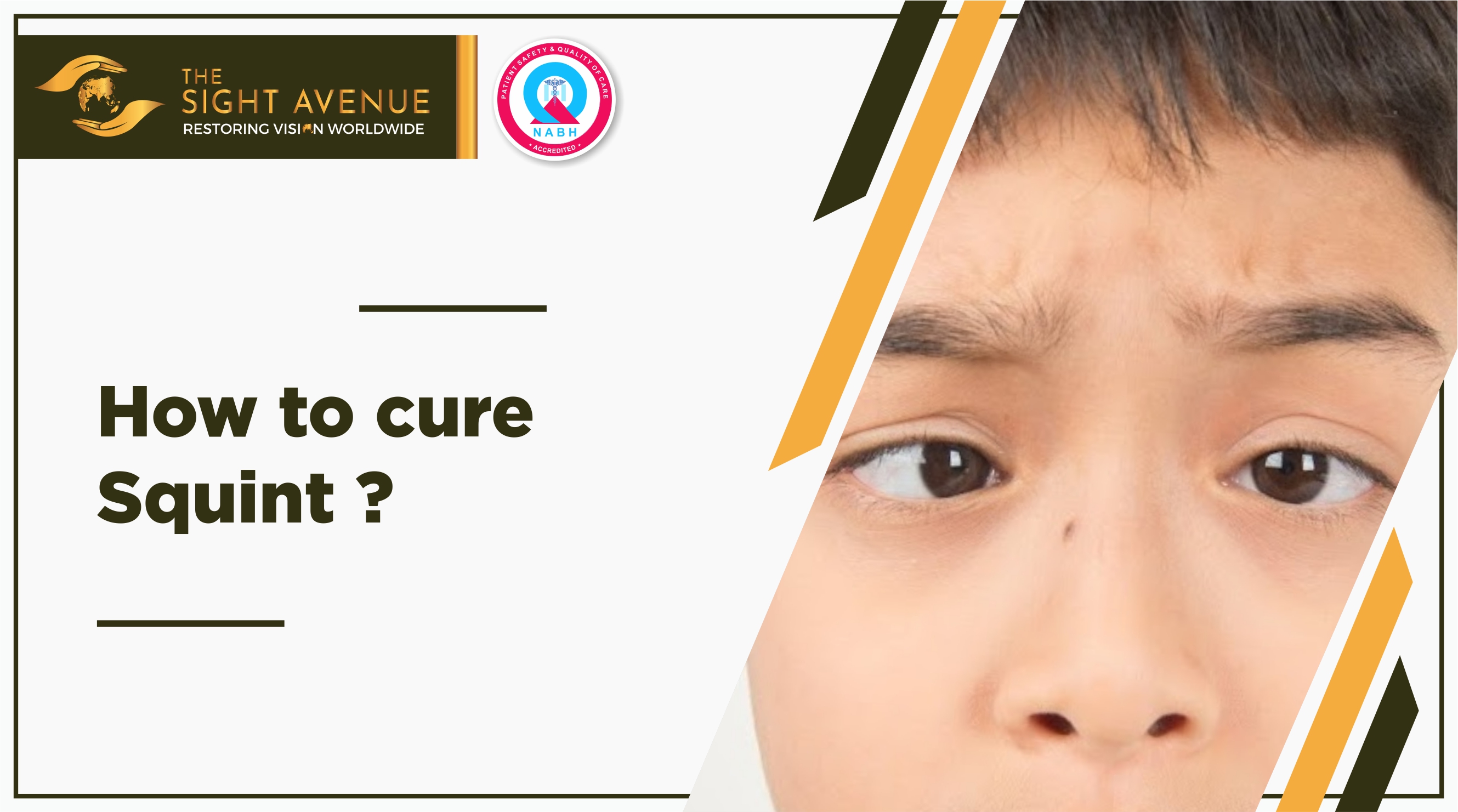
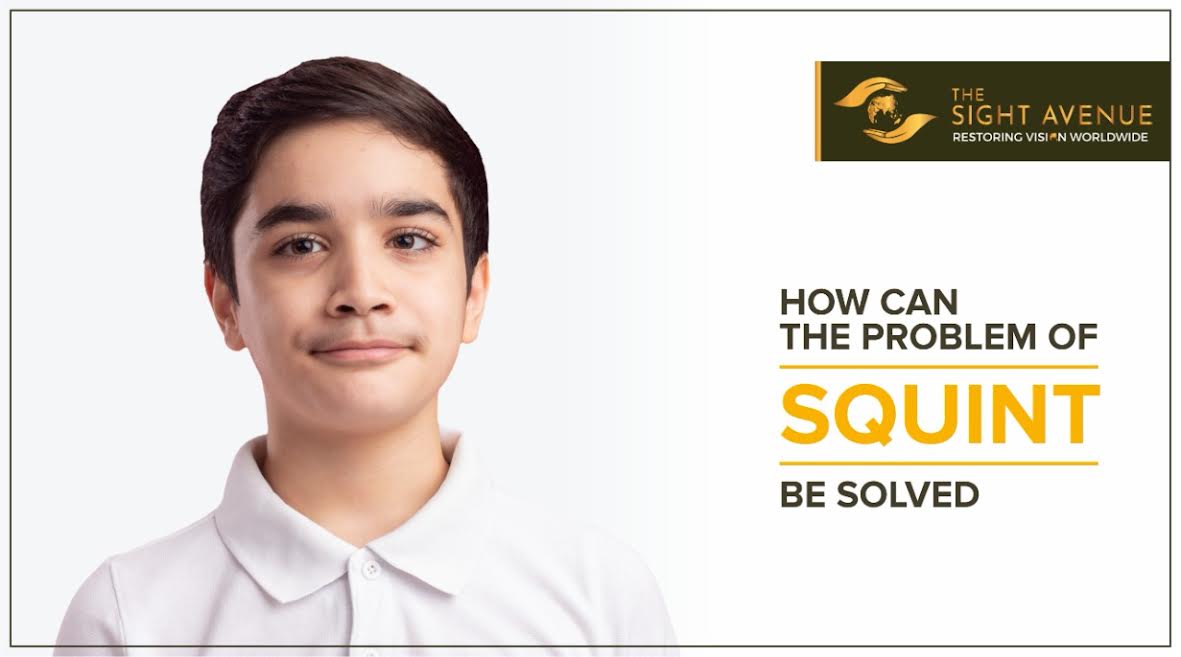
A squint, also called strabismus (भेंगापन bhengaapan), is the term used when the two eyes are not working together as a pair in the direction of interest. The affected eye may point outwards, inwards, upwards or downwards whilst the unaffected eye is focused towards the target object.
What are the causes for squint?
It's particularly common in young children, but can occur at any age. There can be various causes which may lead to squinting of eyes
Some known causes are –
- Uncorrected long sight is the most common cause for the convergent squint. Efforts to see clearly in the presence of refractive error will cause inward turn of one eye.
- Weakness of muscles may also cause squinting.
- Squinting may also be familial.
- Babies born premature and having conditions like Down’s syndrome, cerebral palsy show greater propensity.
- It may also be acquired and can be due to diseases or trauma affecting the muscles responsible for the eye movement.
Squinting usually does not improve by itself, cases have to detected and treatment plan has to made. Glasses may reduce the amount of squinting, but few cases may also require surgical intervention.
Is your new born having squint?
Its not uncommon to come across babies with occasional inward truning of eyes during initial 3 to 4 months of age, and it is considered normal as it is the time period when babies develop brain and eye coordination.
Is your baby older than 6 months and having squint?
Some babies are born with squinting, but if this persists for more than 6 months of age, it is not normal and should be evaluated for muscle balance and other orthoptic assessment.
When to get medical advice?
- Your child has a squint all the time (child should be more than 3 months age)
- Your child gas tendency of regularly turning their head to one side
- Your child keeps one eye closed when looking at the targeted object
- Familial history
- Any history of prematurity/ systemic conditions (rare)
What can go wrong if it is neglected?
- Persistent blurred or double vision
- Amblyopia (lazy eye) it is when, brain starts to ignore the impulses coming from the affected eye which will hamper normal eyesight
- Children might face embarrassment or low self-esteem in there later life
How can it be treated?
Treatment of squint is an ongoing process, its management would require rigorous follow-ups with your ophthalmologist.
Three modalities have been identified for the management of the squint, glasses, patching of the one eye and muscle surgery. It is possible that your child might need single or combination of the above-mentioned interventions.
Glasses
These are helpful in correcting the refractive error, which will help in reducing the straining. With the use of glasses, the extent of squint may be reduced because the effort of over- focusing is reduced. Wearing glasses all the time is mandatory, which will have benefit over the time.
Patching to improve vision
Uncorrected squint will cause the impulses from the affected eye to be neglected by the brain, which will later lead to amblyopia (lazy eye). Patching is done to encourage the use of amblyopic eye.
Surgery
Surgery is not an alternative to glasses or patching. Primarily management should commence with glasses and patching and when once stable best vision is achieved by the child, then surgery may be planned. Surgery will help to re-align (binocular vision) and improve cosmesis as well.
Surgery can be performed at any age even if a squint has been left untreated for a long time, but any vision problems may be permanent if the treatment has not been started at an early age.
How long your child needs our attention?
Early detection and intervention are the key factors that decide the duration of medical supervision. Usually, children undergo visual development and vision stabilizes by around the 7- 8 years of age, if they are treated during this time the results are better.
By -
DR. SURAJ MUNJAL
DR. SUMAN GROVER
DR. SUMIT GUPTA
Recent Post