Top Rated in Delhi NCR

All You Need To Know before going for Glaucoma Surgery
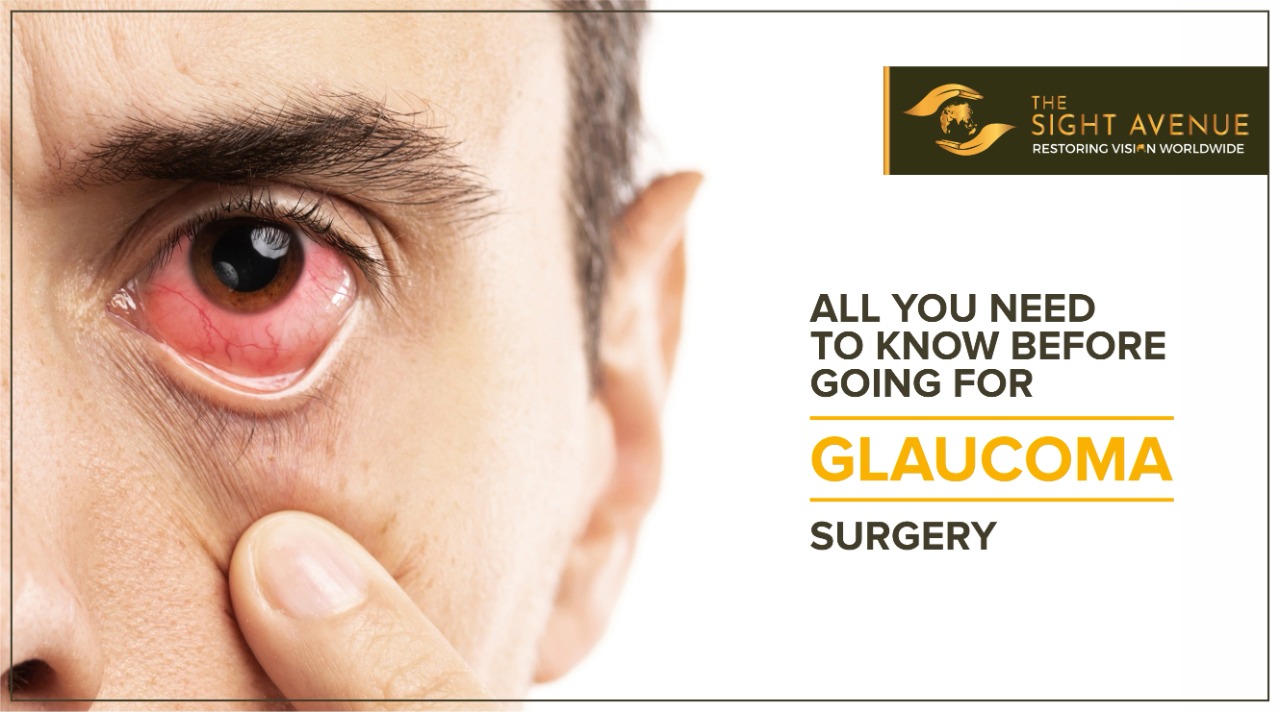
Glaucoma causes optic nerve damage due to fluid buildup in the eye. If not treated, this eye pressure can permanently impair vision. Glaucoma is the world's second leading cause of blindness. Eyedrops, laser treatments, and surgeries can all help to slow vision loss and save your sight. Keep reading to learn everything you need to know about glaucoma eye surgery!
What Is Glaucoma?
Glaucoma is a condition that damages the optic nerve in your eye. It worsens over time. It's frequently associated with an increase in intraocular pressure. Glaucoma often runs in families. It is usually acquired later in life.
Increased intraocular pressure in your eye can harm your optic nerve, which sends images to your brain. Glaucoma, if left untreated, can cause permanent vision loss or even total blindness within a few years. Most people with glaucoma do not experience any early symptoms or pain. Visit your eye doctor on a regular basis so that glaucoma can be diagnosed and treated before you suffer long-term vision loss.
Glaucoma Treatment
Glaucoma can be treated with a variety of methods, including eye drops, laser treatment, and surgery. The best treatment for you will be determined by your specific circumstances. Treatment cannot reverse previous vision loss, but it can help keep your vision from deteriorating further.
Your treatment will be heavily influenced by the type of glaucoma you have. Primary open angle glaucoma, the most common type, is usually treated with eye drops. If drops do not work, laser treatment or surgery may be recommended.
For other types of glaucoma treatment can be done in the following manner -
- Primary Angle Closure Glaucoma - Immediate treatment in hospital followed by medication and laser treatment to reduce the pressure in the eye
- Secondary Glaucoma - Treatment by eye drops, laser treatment or surgery depending on the cause of the glaucoma
- Childhood Glaucoma - Treatment can be done by surgery to correct the build-up of fluid and pressure in the eye.
You will also be advised to attend regular follow-up appointments in order to monitor your eyes and ensure that the treatment is effective. It is critical that you do not miss any of these appointments.
The primary treatments are discussed below -
Eyedrops
Glaucoma is primarily treated with eye drops.
There are several types available, but they all work by lowering the pressure in your eyes. They are typically used between one and four times per day. Even if you haven't noticed any problems with your vision, it's critical to use them as directed. If you do not follow the recommended treatment, your vision will be jeopardised.
You may need to experiment with a few different types before you find the one that works best for you. You may need to use more than one type at the same time. Eye Drops can have unpleasant side effects such as eye irritation, and some are not appropriate for people who have certain underlying conditions.
Laser Treatment
If eye drops do not alleviate your symptoms, laser treatment may be recommended. A high-energy beam of light is carefully directed at a portion of your eye to prevent fluid from accumulating inside it.
There are three different types of glaucoma laser surgery -
i) Laser Trabeculoplasty
A laser is used to open the drainage tubes within your eye, allowing more fluid to drain and lowering pressure inside.
ii) Cyclodiode Laser Treatment
In this type of laser treatment, a laser is used to destroy some of the eye tissue that produces the liquid. This can reduce the pressure in the eye.
iii) Laser Iridotomy
In this procedure, a laser is used to make holes in your iris to facilitate the drainage of fluid from your eye.
Types Of Glaucoma Surgery
Surgery may be recommended in rare cases where eyedrops or laser treatment have failed. Trabeculectomy is the most common type of glaucoma surgery. It entails removing a portion of the eye-drainage tubes in order to allow fluid to drain more easily.
Glaucoma surgery can be performed under local anaesthesia (while you are awake) or general anaesthesia (while you are asleep). Most people will no longer require eyedrops after trabeculectomy, and you should not experience significant pain. Before you decide whether to proceed, your doctor should discuss the type of surgery they recommend, as well as any risks and benefits.
There are four types of glaucoma surgery -
Trabeculotomy
Similar to trabeculectomy, trabeculotomy involves the use of an electric current to remove a small part of the eye-drainage tubes.
Viscocanalostomy
This surgery involves the removal of the part of the white outer covering of the eyeball or what is also know as the sclera to facilitate easy drainage of fluid in the eye.
Deep Sclerectomy
This surgery involves the widening of drainage tubes by sometimes implanting a tiny device inside them.
Trabecular Strent Pass
This surgery involves the use of a tiny tube placed into the eye to increase the drainage of fluid.
Your eye may water and become red after surgery, and your vision may be slightly blurred for up to 6 weeks before returning to normal.
The hospital will advise you on what activities you can do while you recover. For at least a week, most people are advised to keep their eyes dry and avoid driving, reading, and heavy lifting. Move ahead with your glaucoma treatment by opting for the best in the industry - The Sight Avenue, Delhi.
Recent Post