Top Rated in Delhi NCR

Vision changes during pregnancy
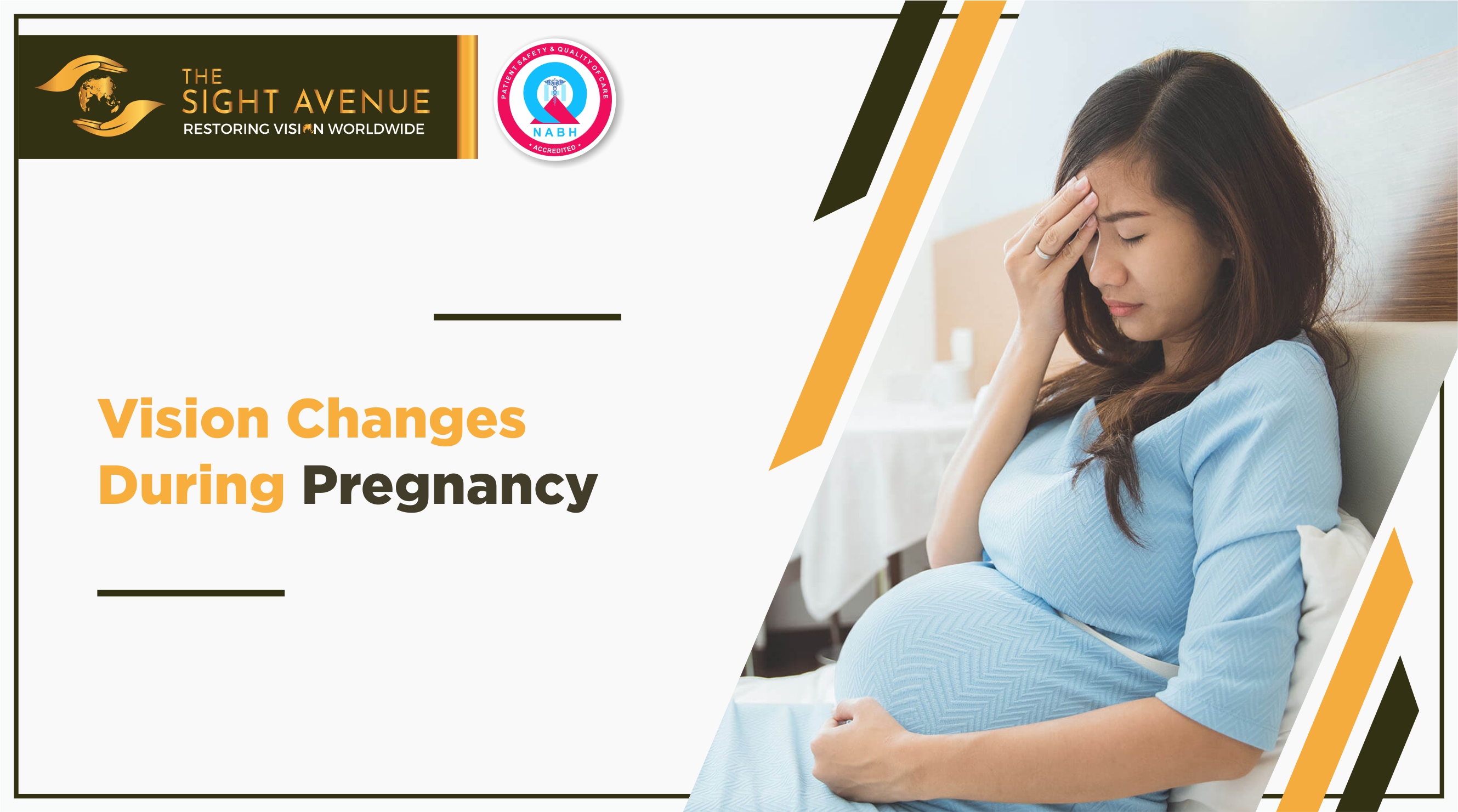
The state of pregnancy has been well documented as to have variation in metabolic, hemodynamic and hormonal equilibrium throughout its course. It is natural physiological process it well tolerated in most, but in some susceptible women this condition may potentiate previously dormant systemic and ophthalmological conditions.
These physiological changes are important to meet the needs of the fetal growth and development, and to prepare for delivery. It is the second and third trimesters of pregnancy, when the level of estrogen is significantly higher and which causes the most eye related discomforts
The few conditions that don’t have any serious threat are: -
- Increase in hydration of collagen around the eye
- Increase in corneal sensitivity
- Corneal edema
- Variations in intraocular pressure
- Dropping of eye lids (ptosis)
- Pigmentation surrounding the eye
- Transient vision loss rarely permanent (never neglect)
- Transient constriction of visual field (never neglect)
- Refractive changes (Myopia)
The few associated conditions that should not be neglected are: -
- Hypertensive disorder complicating pregnancy and hypertensive retinopathy
- Exudative Retinal Detachment
- Retinal Vascular Occlusive Disease
- Central Serous Chorioretinopathy
- Diabetic Retinopathy
For these special group of individuals, it becomes necessary to be under close follow-up of both ophthalmologist and obstetricians. Since during pregnancy most medications are contraindicated or need special dose adjustments before initiating, doctors often face tough decisions such as whether to perform active treatment for the primary disease or just to observe the condition.
Hypertensive disorder complicating pregnancy
It is the one of the most commonly encountered condition by the obstetricians, and is seen usually after 20 weeks of pregnancy and patient might experience high blood pressure and convulsions or coma. Patient might have visual hallucination, blind spot, double vision, decrease in color contrast sensitivity, and loss of peripheral vision. If any one experiencing these should never delay medical attention.
Exudative Retinal Detachment
Patient might experience gradual blurring of vision, it is a consequence of choroidal vascular damage in the choriocapillaris layer, which leads to the accumulation of subretinal fluid with damage to the retinal pigment epithelium. It is considered as ophthalmological emergency.
Retinal Vascular Occlusive Disease
During pregnancy there is a state of hypercoagulability due to modifications of platelets, clotting factors and blood flow hemodynamic fluctuations which may lead to occlusive crisis and of the central retinal artery or cilioretinal artery is a possible condition during gestation with evident hypercoagulability. Occlusion of the central retinal vein is more common in diabetic and smoker patients who already have atherosclerosis
Central Serous Chorioretinopathy (CSCR)
It is characterized by an accumulation of fluid in subretinal space which causes localized circumscribed neurosensory retinal detachment. CSCR may present as an idiopathic episode during pregnancy and probably due to high serum cortisol levels.
Patient might experience metamorphopsia, visual loss, scotomas, and light sensitivity. Management of CSCR in pregnant females is challenging because of the teratogenic side effects of the medication on the fetus.
Diabetic Retinopathy
Gestational diabetes (GDM) may be defined as insulin resistance causing hyperglycaemia that develops or has been first diagnosed during pregnancy. Usually this is transient, but few 5- 10% of patients will have a persistent hyperglycaemia following pregnancy and may be classified as diabetes mellitus type 2 (T2DM). Since this is transient, most of the cases, don’t develop diabetic retinopathy during pregnancy. Females with undiagnosed condition might experience accelerated worsening of diabetic retinopathy. Early diagnosis and regular evaluation for these cases is essential. Neglecting and under treating might lead to irreversible eye changes and even vision loss.
By -
DR. SURAJ MUNJAL
DR. SUMAN GROVER
DR. SUMIT GUPTA
Recent Post